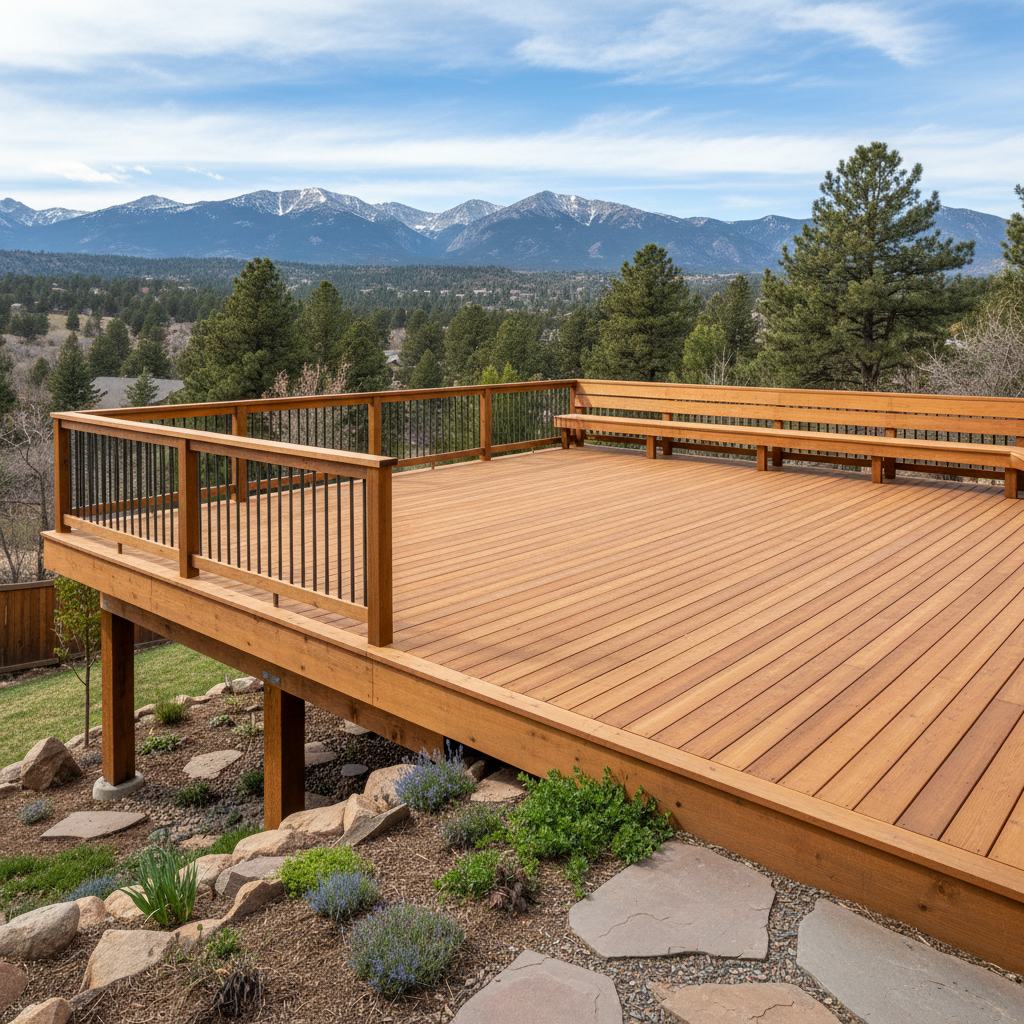
So, you've put good money into a deck for your Boulder home. Maybe it's for soaking in those incredible Flatirons views, or just a handy spot to fire up the grill. Whatever the reason, how do you make sure that investment actually lasts? It's not just about building it right, you know; it's about taking care of the thing.
Our climate here in Boulder? It's no joke. We get hammered with intense UV, heavy snow, those brutal freeze-thaw cycles, and sometimes even hail. All of that can really beat up a deck if you're not paying attention. As someone who's built and fixed countless decks all over town — from the old beauties in Mapleton Hill to the newer places out in Gunbarrel — I've seen what holds up and what doesn't.
Want Your Deck to Last? Start Now.
The best way to get more years out of your deck is to think about maintenance from day one. If you've got a wood deck, especially cedar or pressure-treated, that means proper sealing or staining. This isn't just for looks; it's your main defense against moisture and UV damage. Personally, I always recommend a high-quality penetrating oil stain for wood decks around here. It soaks right into the wood, protecting it from the inside out, instead of just sitting on top and peeling off after a few seasons of our harsh sun.
Now, for composite decks, you might think they're totally maintenance-free. They're not. They're *low-maintenance*, which is a pretty big difference. You still need to keep them clean to prevent mold and mildew, especially in shady spots or where snow piles up and melts slowly, creating that persistent dampness.
Good drainage around your deck is also super important. Make sure water isn't pooling near the posts or under the deck structure. And hey, if your gutters are overflowing right onto your deck, get those fixed. Water is the enemy of any outdoor structure, period.
Regular Maintenance: Your Seasonal To-Do List
Think of your deck like your car; it needs regular check-ups. Here's what I tell all my clients:
- Spring Cleaning: Once the snow melts and things finally dry out, give your deck a good wash. For wood, a gentle scrub with a deck cleaner and a soft brush works wonders. But don't go crazy with a pressure washer unless you really know what you're doing; you can easily damage wood fibers or the composite surface. For composite, plain old soap and water is usually plenty. While you're at it, check for any loose boards or railings and tighten them up.
- Summer Checks: Keep an eye on your stain or seal. Is it starting to fade or look patchy? If you spill something, clean it up fast. Our intense summer sun can bake stains right in.
- Fall Prep: Before that first snow, clear off all leaves and debris. Wet leaves sitting on your deck can lead to mildew and rot, especially in the corners or between boards. If you have potted plants, lift them periodically to prevent moisture buildup underneath. Oh, and this is a good time to re-apply stain if it's due.
- Winter Care: Try to clear heavy snow loads off your deck, especially if it's really piled up. While decks are built to handle snow, reducing the load is always a smart move, particularly on older structures. Just avoid using metal shovels directly on the deck surface; they'll scratch or gouge it.
Warning Signs: Don't Ignore These Red Flags
Your deck will definitely tell you when something's wrong, but you've got to know what to look for. Don't wait until it becomes a massive headache.
- Rotting Wood: This is a big one. Poke around with a screwdriver, especially on posts, joists, and ledger boards (that's where the deck attaches to your house). If the wood feels soft or spongy, that's rot. It's a structural issue and needs immediate attention.
- Loose or Wobbly Railings: Give your railings a good shake. If they're not solid, that's a safety hazard. Kids lean on them, people trip — you get the idea. Tighten bolts or screws. If the posts themselves are loose, you've got a bigger problem.
- Cracked or Splintering Boards: A few small cracks are normal, especially in wood, but large, deep cracks or widespread splintering can mean the wood is drying out or failing. For composite, watch for any deep scratches or delamination.
- Sagging or Uneven Deck Surface: If parts of your deck are noticeably lower than others, or if you feel a bounce when you walk, that's a sign of structural weakness. It could be failing joists, beams, or foundation posts.
- Corrosion on Fasteners: Look at the screws, nails, and hangers. If they're rusty or falling apart, they're losing their strength. This is especially true if your deck was built with fasteners not rated for treated lumber.
- Mold or Mildew: While not always structural, persistent mold or mildew can point to moisture problems that could lead to rot over time. It also makes the deck slippery and pretty unsightly.
When to Call a Professional (Like Boulder Deck & Porch)
Look, I'm all for DIY when it makes sense, but some things are just best left to the pros. You should definitely call someone like us at Boulder Deck & Porch if you see any of these serious issues:
- Significant Rot: If you find rot in structural components like posts, beams, or the ledger board, please don't try to patch it yourself. This requires expertise to safely replace or reinforce.
- Structural Instability: Any noticeable sagging, excessive bounce, or widespread wobbling indicates a serious issue with the deck's foundation or framing. This is a safety hazard, plain and simple.
- Ledger Board Problems: The ledger board is what connects your deck to your house. If it's pulling away from the house, rotting, or improperly fastened, your entire deck is at risk of collapse. This is not a DIY fix.
- Major Railing Failure: If an entire section of railing is compromised, or if the posts anchoring the railing are loose, it's time for a professional assessment.
- Permit Issues: If you're unsure if your deck was built to code or if you need to make substantial repairs that might require a permit, a professional can guide you through the process.
- You're Just Not Sure: Honestly, if you're looking at something and thinking, "Hmm, is this right?" — just call us. A quick inspection can save you a lot of worry and potentially a lot of money down the road.