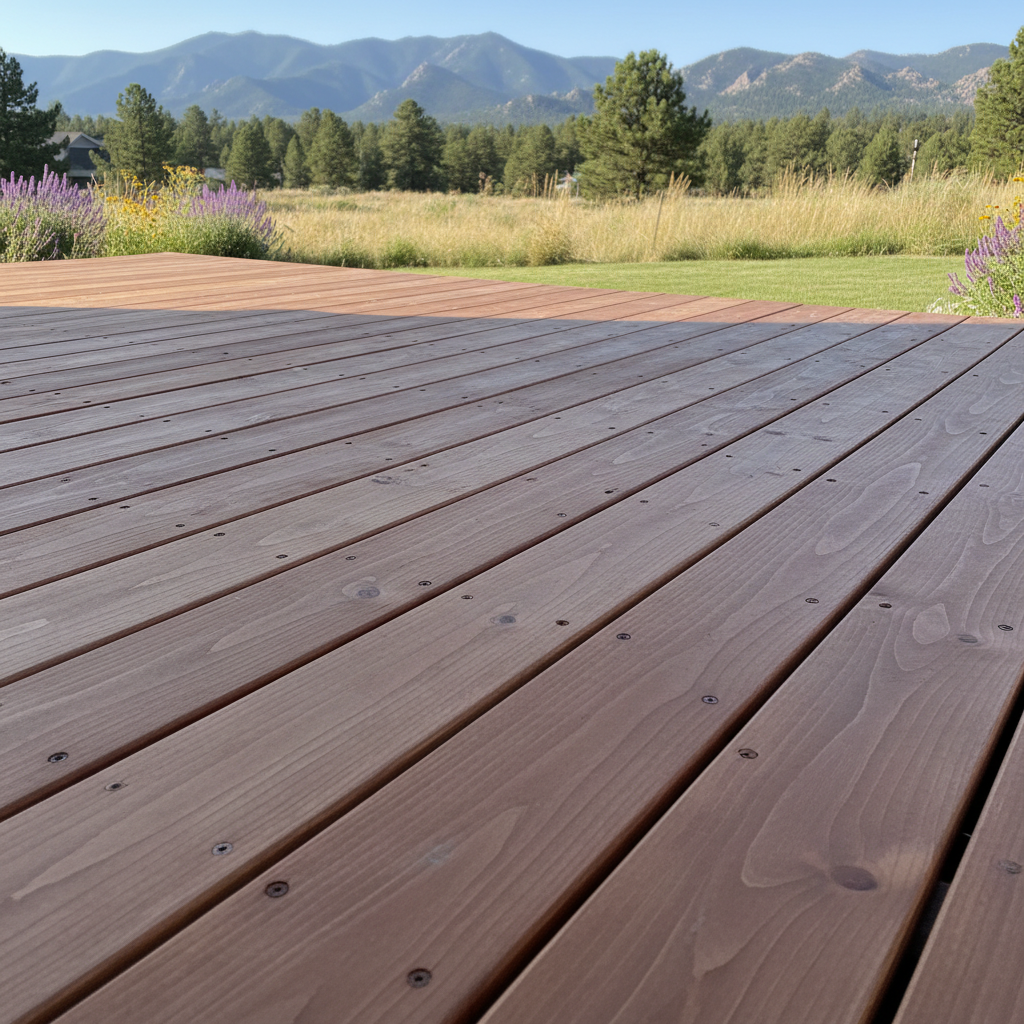
Thinking About a New Deck? Here's What You Need to Know
So, you're dreaming of a new deck, or maybe your old one's seen better days. That's great! A good deck really extends your living space, especially with our amazing Boulder weather. But before you jump in, there's a few things you absolutely need to consider. I've built and repaired a lot of decks around here, from the older homes in Mapleton Hill to the newer builds up in Gunbarrel, and I've seen it all.
First off, think about what you want your deck to do. Is it for entertaining a big crowd? Just a quiet spot for morning coffee? Will you be grilling out there a lot? The function dictates the size, layout, and even the materials. Don't just pick a random size; measure your space, think about how you'll use it, and how it connects to your house.
Then there's the big question: wood type. There's pressure-treated lumber, which is common and affordable, but it needs regular maintenance. Then you've got cedar or redwood, which look beautiful and are naturally rot-resistant, but they're softer and cost more. Hardwoods like ipe are incredibly durable and gorgeous, but they're a significant investment and can be tricky to work with. I'm a big fan of real wood, but you've got to be realistic about upkeep.
Permits. Oh boy, permits. You're almost certainly going to need one from the City of Boulder for a new deck or a major renovation. Don't skip this. Building without a permit can lead to fines, having to tear it down, and headaches when you try to sell your house. It's not worth the risk. The city wants to make sure it's built safely and to code, and honestly, so do I. It protects everyone.
The Build: DIY or Call a Pro?
Alright, you've got your plan and your permits. Now, who's actually going to build this thing? This is where a lot of homeowners get stuck. Can you do it yourself? Maybe. If you're handy, have all the right tools, and understand framing, footings, and local building codes, then sure, you could tackle a simple ground-level deck. I've seen some impressive DIY jobs.
But here's the kicker: decks need to be strong, safe, and built to withstand our crazy freeze-thaw cycles and the occasional heavy snow. Footings need to be deep enough (we're talking below the frost line, which is usually 30-36 inches around here) and properly poured. The ledger board, which attaches the deck to your house, has to be flashed correctly to prevent water intrusion into your home – that's a huge one people mess up. Joists need to be spaced right, and fasteners need to be appropriate for outdoor use. If you're building anything elevated, or if you're not absolutely confident in your carpentry and structural knowledge, please, for your own safety and sanity, call a professional.
A good contractor, like us at Boulder Deck & Porch, knows the codes inside and out. We've got the specialized tools, the experience to spot potential problems before they become big ones, and the insurance to cover things if something goes wrong. We can also often get materials at a better price. It might seem like more money upfront, but it saves you a ton of stress, time, and potential costly repairs down the line.
Keeping Your Deck Looking Good: After the Build
So, your beautiful new deck is done. Now what? Maintenance, my friend, maintenance. This is where a lot of wood decks start to go downhill if homeowners aren't diligent. Wood, even treated wood, needs protection from the sun, rain, and snow.
Plan on cleaning and re-sealing or staining your deck every 1-3 years, depending on the product you use and how much sun exposure it gets. That strong Colorado sun can really beat up a deck. Clean it first with a deck cleaner – follow the instructions carefully, and don't use a pressure washer on too high a setting, or you'll damage the wood fibers. Once it's clean and dry, apply a good quality stain or sealer. This protects against UV damage, moisture, and rot.
Regular inspections are also key. Walk around your deck a couple of times a year. Look for loose boards, wobbly railings, popped nails or screws, and any signs of rot or insect damage. Pay special attention to the areas where the deck meets the house, and any posts that are in contact with the ground. Catching small issues early can prevent them from becoming major repairs.
If you've got a wooden deck, you've made an investment in your home. Taking care of it means you'll enjoy it for years to come. And if you ever feel like a repair is beyond your skill set, or you just don't have the time for the upkeep, you know who to call. We're always happy to help keep Boulder's decks in top shape.